

Market House, also called Old Town Hall, is a historic outdoor landmark at Market Square in downtown Fayetteville. Its layered history includes the 1789 convention that brought North Carolina into the United States, as well as the sale of enslaved people at the site in the mid-nineteenth century.
- Location: Market Square, at the intersection of Hay, Person, Green and Gillespie streets.
- From the hotel: It’s about a 7-minute walk from American Eagle Inn Fayetteville, which offers two-star motel rooms.
- Access: The site is viewed from outside; a local heritage-tour listing gives visiting hours as daily before dusk.
- Nearby on the heritage tour: The Airborne & Special Operations Museum is listed as the next stop.
Where is Market House in downtown Fayetteville?
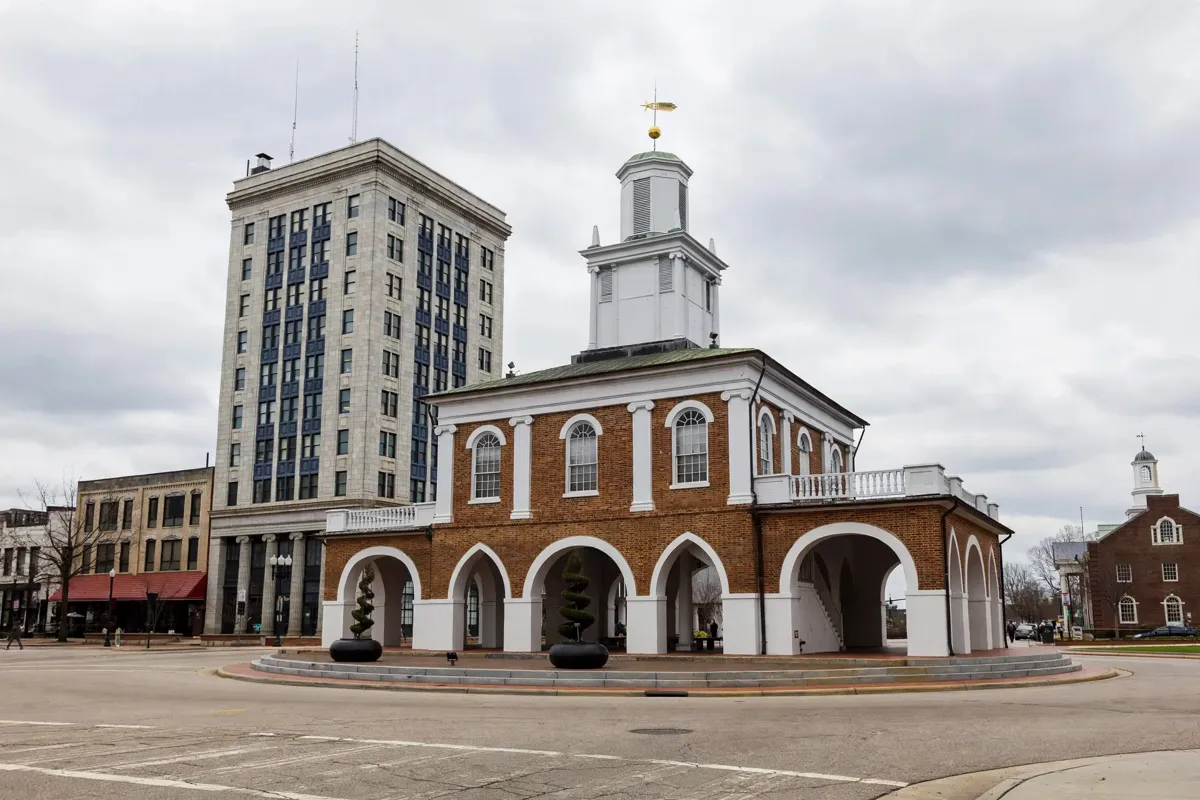
Market House sits at Market Square, where Hay, Person, Green and Gillespie streets meet in downtown Fayetteville. It is at the center of downtown, one mile west of the Cape Fear River, and surrounded by civic buildings including Fayetteville City Hall and the Cumberland County Courthouse and Jail.
To make a fuller downtown outing, you can pair the square with a one-day route through downtown Fayetteville. The Market House is also a stop on a local heritage tour, with the Airborne & Special Operations Museum next on that route.
What is the history of Market House?
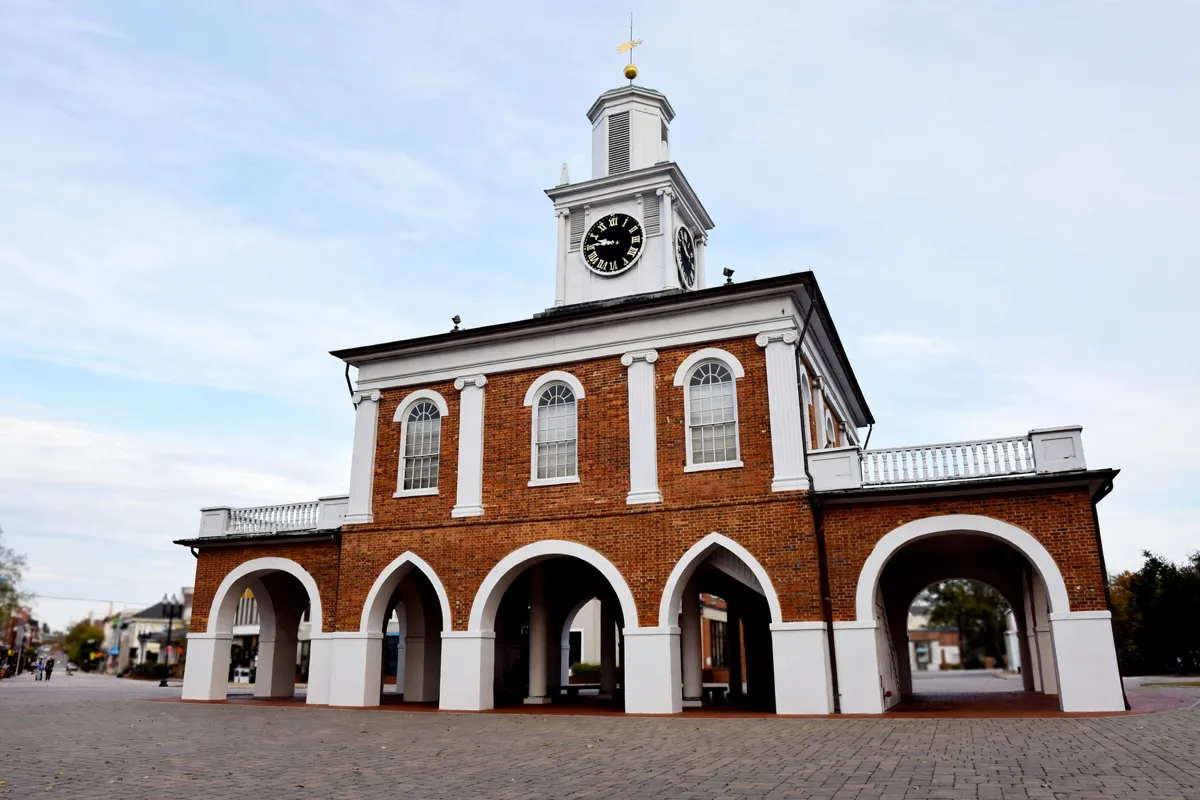
The Market House was rebuilt by 1832, after an 1831 fire destroyed the State House that had stood on the site. Before the fire, that State House hosted the North Carolina convention that ratified the U.S. Constitution on November 21, 1789, making North Carolina the twelfth state to ratify it.
The State House also hosted the General Assembly in 1789, 1790 and 1793, and the University of North Carolina was chartered there in 1789. In 1825, General Marquis de Lafayette addressed Fayetteville residents at the Market House site.
The site’s story also includes the sale of enslaved people at the market in the mid-nineteenth century. In the early twentieth century, the Market House was nearly destroyed; the Women’s Civic Association helped save it in 1906.
What can you see at the Market House site?
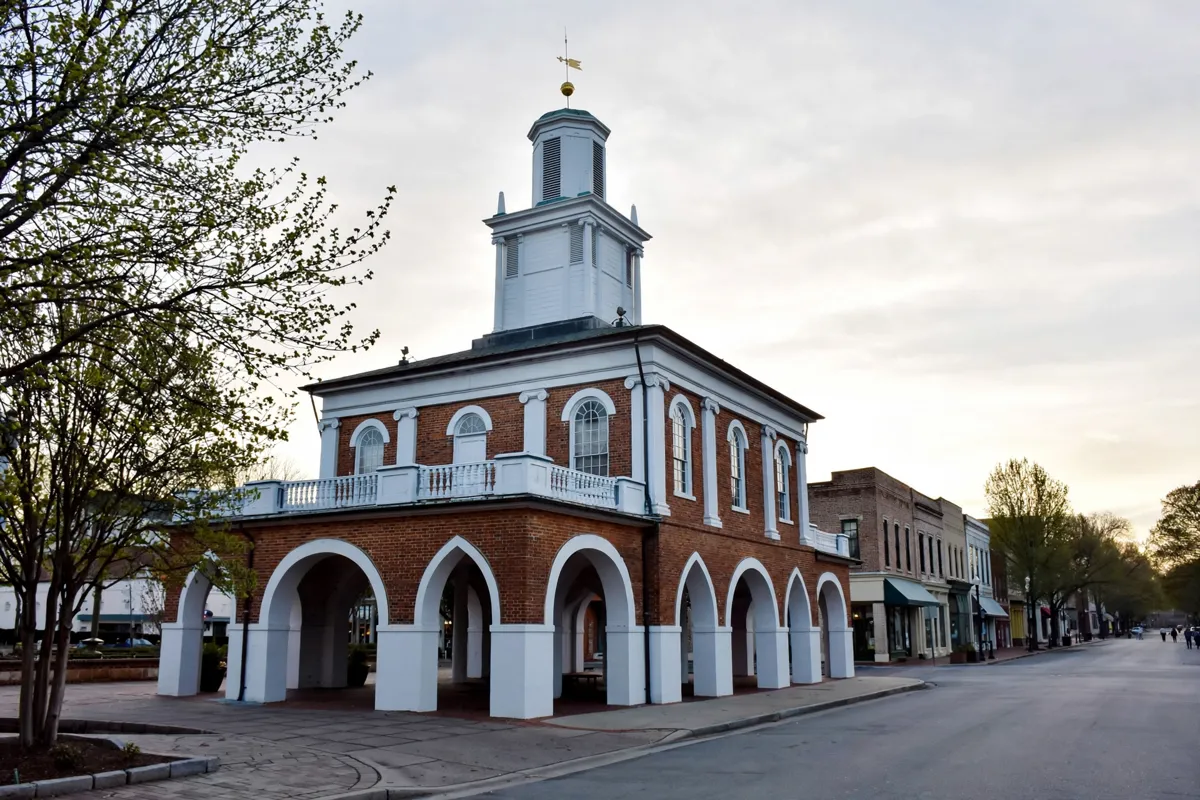
Market House is an exterior site, so plan to view the landmark from the surrounding public streets rather than expect an indoor visit. Its history spans several chapters of Fayetteville’s past, from the State House era to the market’s role in the nineteenth century.
The City of Fayetteville has described the Market House as part of downtown’s civic setting. For a second history-focused stop, Arsenal Park is another Fayetteville landmark to consider adding to your day.
What are the hours and access details?
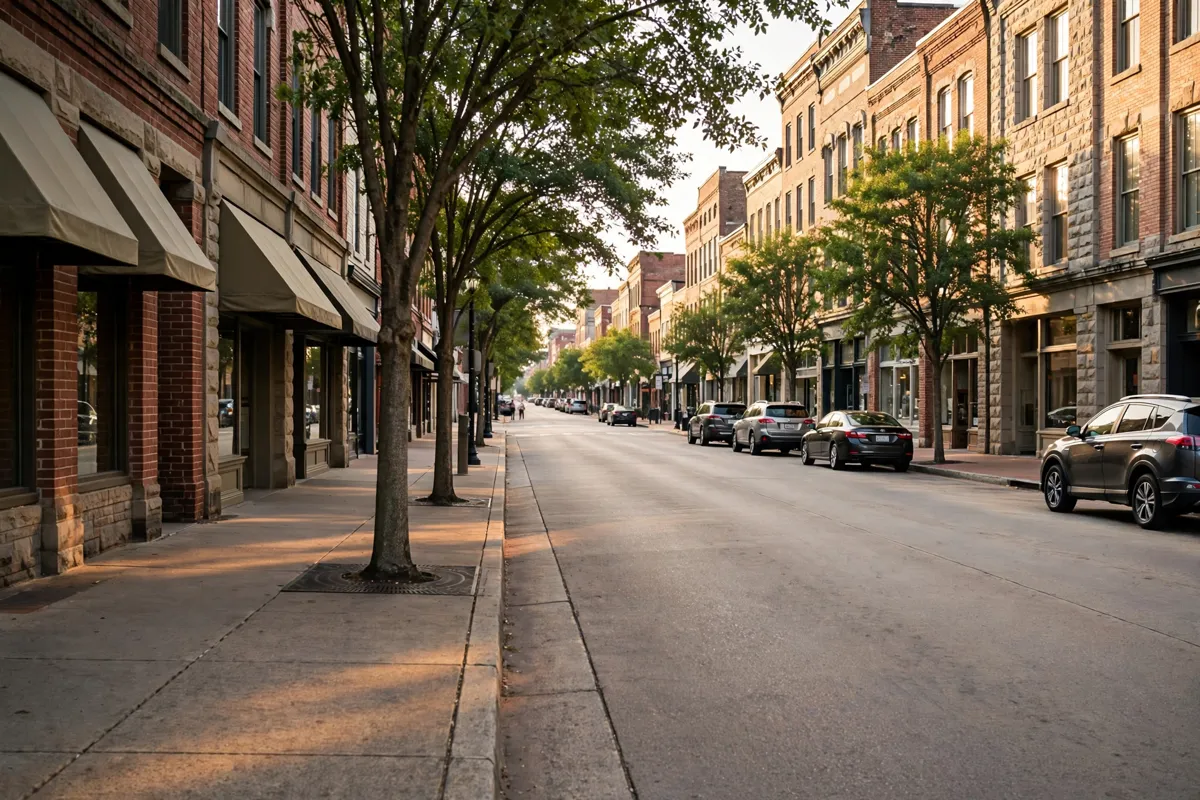
A Fayetteville heritage-tour listing gives the Market House’s visiting hours as daily before dusk and describes it as exterior view only. Hours and access can change, so check the official site before you go, using the City of Fayetteville’s site for current local updates.
Allow time to take in the square and its surroundings before continuing through downtown. The heritage-tour route places the Airborne & Special Operations Museum after the Market House.
FAQs
Why is Market House significant?
The State House that previously stood on the site hosted North Carolina’s 1789 convention to ratify the U.S. Constitution. The Market House’s history also includes the sale of enslaved people in the mid-nineteenth century.
Can you go inside Market House?
The heritage-tour listing describes the site as exterior view only.
Where is Market House located?
It stands at Market Square in downtown Fayetteville, surrounded by civic and municipal buildings.